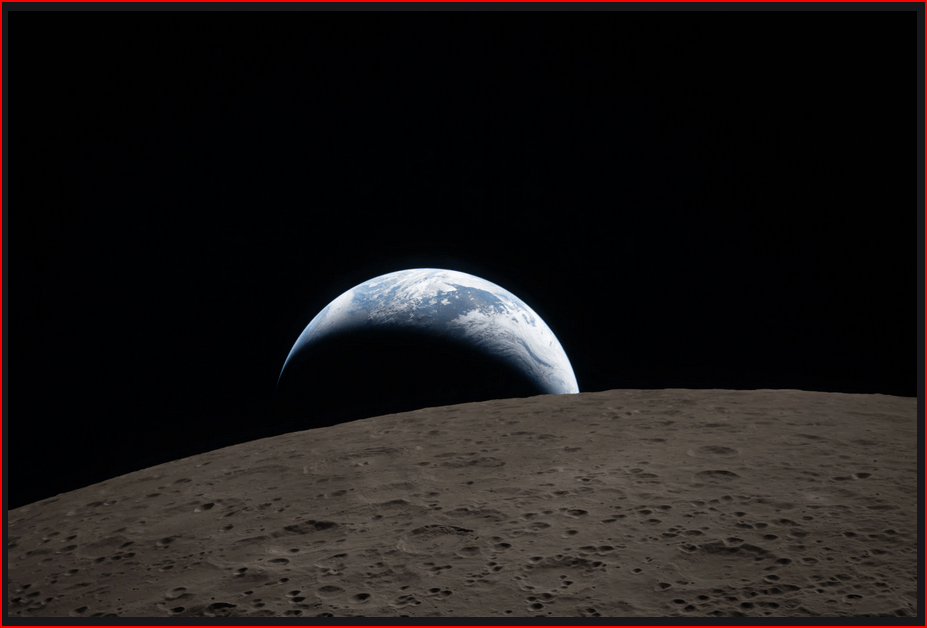
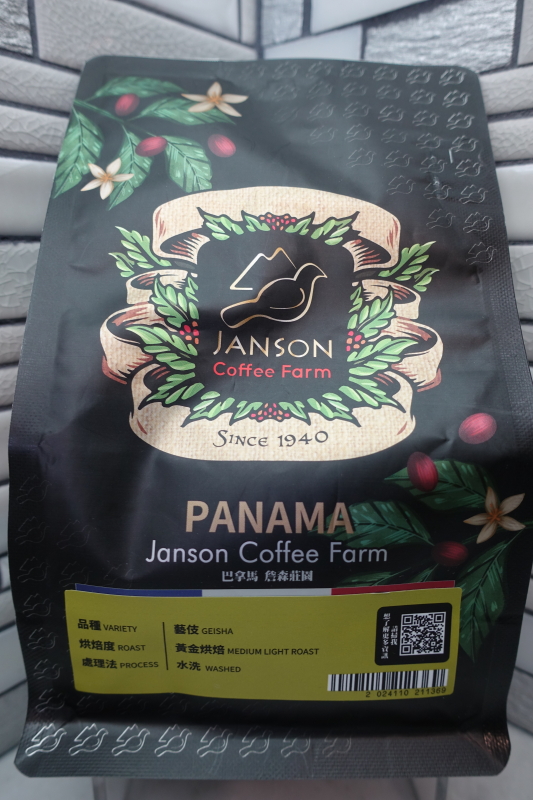
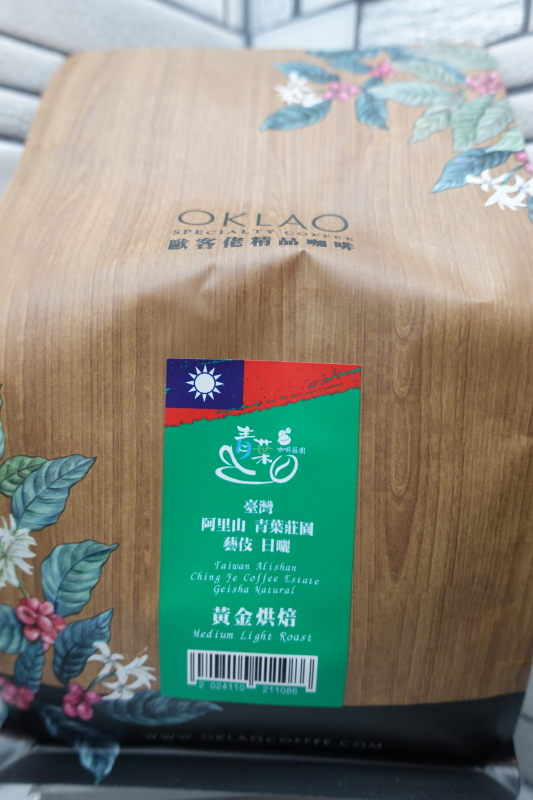
More coffee from Taiwan’s OKLAO roaster.
Another Coffee Update
Reply
More coffee from Taiwan’s OKLAO roaster.


I’ve been neglecting on posting biweekly updates of the various coffee roasters I’ve received. To be honest, I put a short pause an all my coffee subscriptions after receiving coffee beans from Taiwan (2 bags) and Hawaii (1 bag).
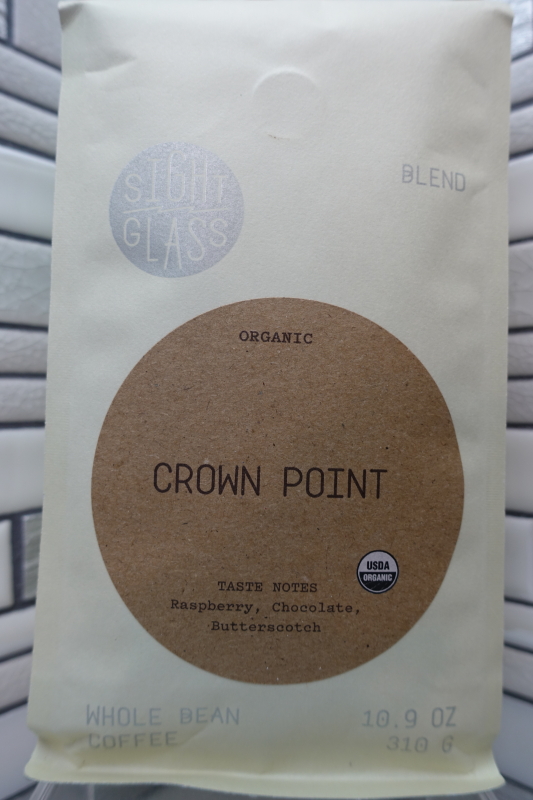
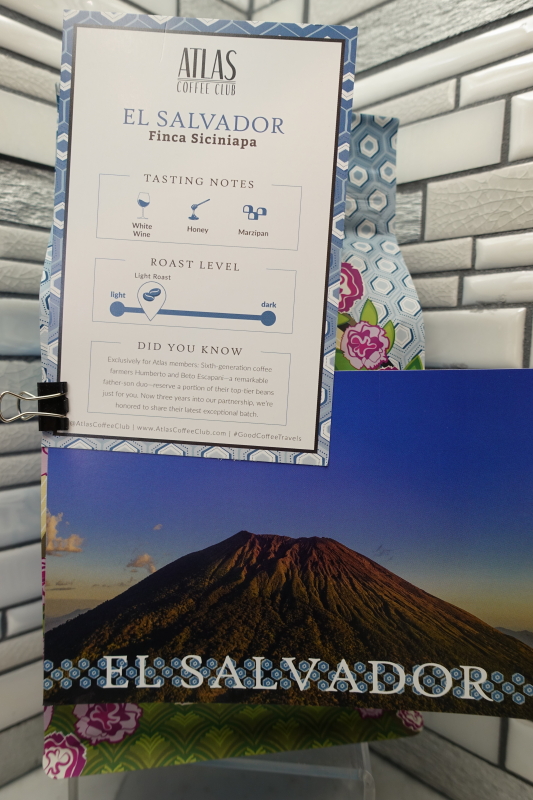
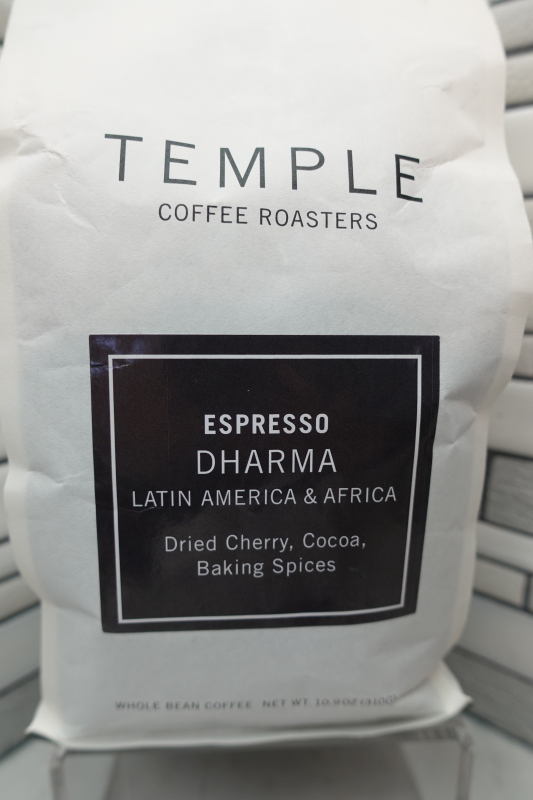
Below is a list of Drink Trade and Atlas Coffee Club selections from the past 5 months. I didn’t get pics of the coffee beans from Taiwan and Hawaii.
Additionally, I’ve cancelled the Atlas Coffee Club subscription and have decided to stick with Drink Trade only. I’ll need to remember to every so often switch up the roast levels from light to medium to dark to maintain the variety received beans.


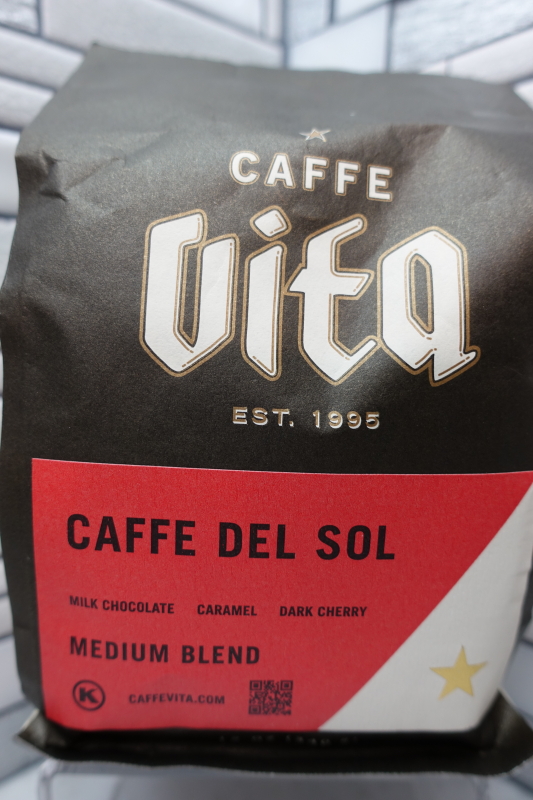
June’s Trade Coffee comes from Caffe Vita Coffee Roasting Company. I recieved a medium blend from Guatemala, Ethiopia and Brazil. Making my latte, I taste a wonderful chocolate and caramel flavor

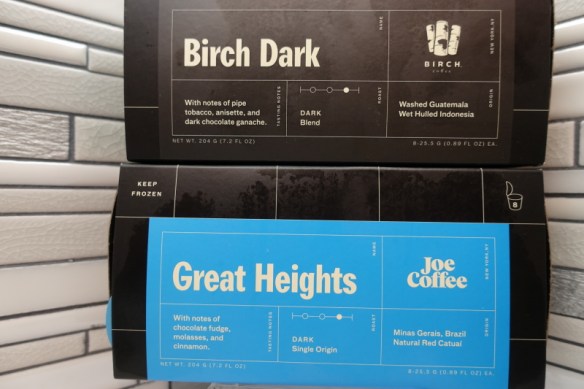
One of the more interesting direct to consumer coffe ideas I’ve come across is Cometeer Coffee. They flash freeze an espresso amount of liquid so that the eventual coffee drinker can melt the espresso and make their coffee or latte.
I ended up ordering a starter box to try out what this flash freezing concept was about. Over the course of a little over 1 month (each box holds 10 cofee pods assuming 1 serving a day), I tried these four diferent roasters generally making a latte from a coffee pod. Overall, I the flavors were excellent. I expeically enjoyed Birch Dark and Mocha Java. Both exhibited a rich chocolate and carmel flavor. Some days, I would actually have two of the coffee pods because they were delicious.
Final thoughts, I think subscribing to Cometeer is an easier alternative to making lattes and other espresso based drinks (flat white, affogatos, etc…). Although each box is roughly priced similarly to a bag of coffee beans, they are slightly more expensive if you consider on a per serving basis. I generally am able to make 13-15 servings of latte/espresso drinks with 1 bag of beans whereas Cometeer coffee pods comes in boxes of 10 (where each pod is 1 serving). For a person who loves coffe but doesn’t have the space for any coffee making items (scale, grinder, espresso maker, etc…), Cometeer Coffee might actually be a good option.


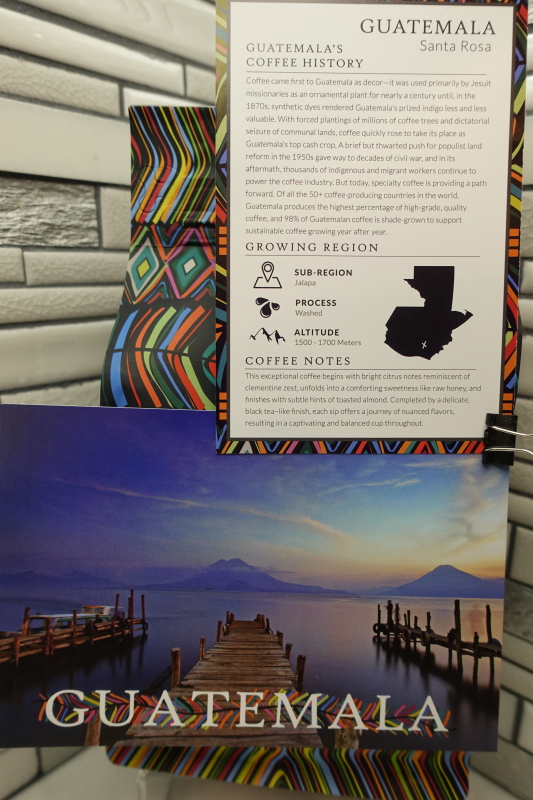
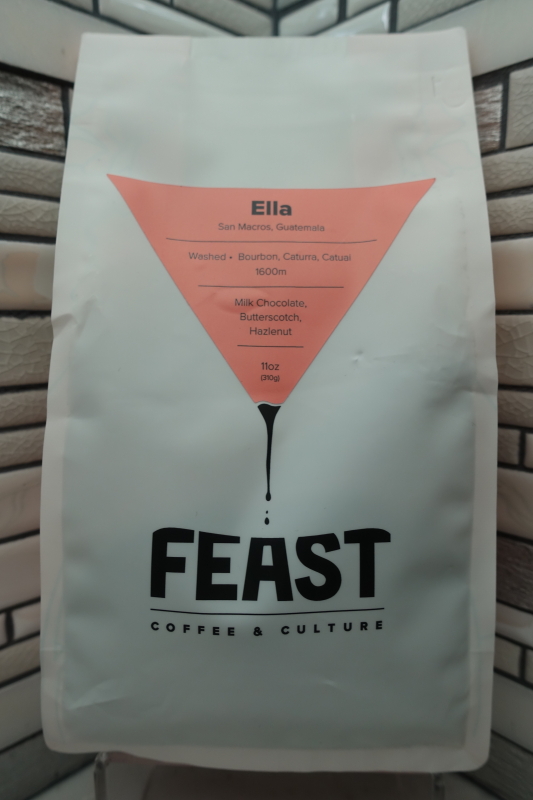
February’s DrinkTrade coffee comes from Feast Coffe & Culture. The bag of coffee comes from Guatemala. Reading the description of this coffee, I think it’s pretty respectable that the Feast Coffee is sourcing beans from “women owned farms.”
Making my latte, I’m suprised at how subtle these beans are compared to the last bag which came from Ethiopia. Nonetheless, I taste a sweet smooth milk chocolate flavors with each sip of the latte. I also taste a distinct nutty after taste. I really enjoy drinking my lattes from these beans. Drink Trade sends outstanding bags of coffee.

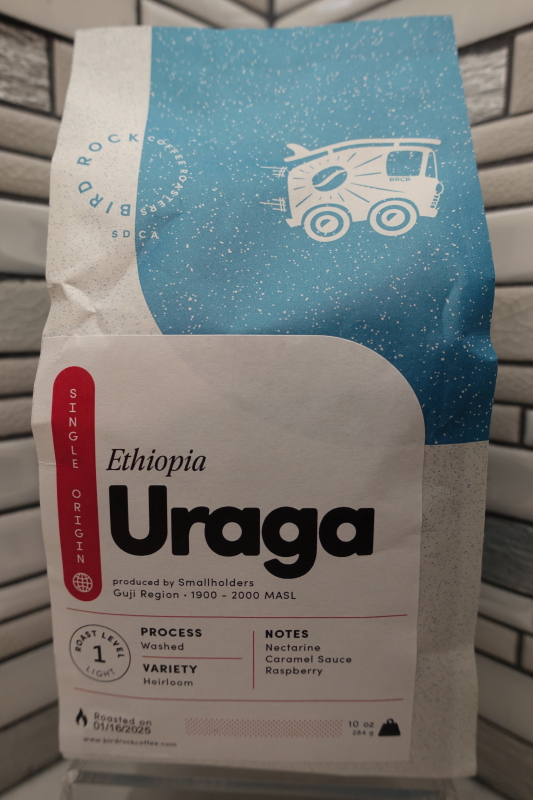
February’s Trade Coffee comes from Bird Rock Coffee Roasters. Bird Rock sent a bag of coffee from Ethiopian’s Guji region. The last Trade Coffee was also from Ethiopia. But the different between the two bags are pretty clear. This one has a much fruitier and floral aroma.
Making my latte, I get a nice familiar fruity and nutty flavor burst that rounds out with a pleasant chocolate aftertaste. Each sip is smooth and very enjoyable. The floral aromas have an nice calming effect with each sip. I’ve occaissionally made a 2nd cup to continue the bliss from the 1st cup.

January’s Atlas Coffe Club comes from Peru. I don’t recall the last time I received beans from Peru. But coffee fans don’t discriminate! The postcard that they sent is from the iconic Inca citadel of Machu Pichu. It’s a well known tourist destination.
Coming back and opening the bag, I’m greeted with sweet floral aromas. Making my latte, I taste a subtle nutty flavor on the first sip the melts into a sweet, nutty and berry(?) flavor. To be honest, there are some days that I make two cups to drink because I realy craved that sweet nutty flavor.

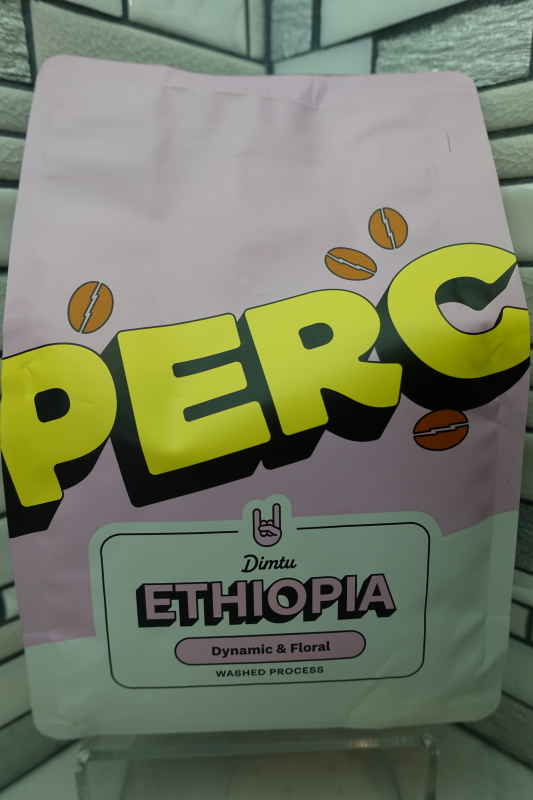
January’s Trade Coffee comes from Panther’s Eye Roasting Company aka PERC. Per their origin story, PERC is a much better shorter name. PERC sent a bag of Ethiopian coffee from an area called Dimtu. Unfortunately, I can’t find any other info on the PERC website.
Making my latte, I’m amazed at the smooth and subdued fruity flavors. Normally, I expected Ethiopian beans to be more vibrant and loud with their flavors. But no matter how I make the latte (more milk/less milk, less hot water (more concentrated) / more hot water, longer steep time), the latte always has this subdued fruity flavor.

Last month, the news reported that the DOJ proposed to break up Google by “selling” off Chrome and Android in order to “fix” Google’s monopoly on search.
My initial thoughts were the proposed “fix” would have unintended consequences to the consumer and would not truly “fix” the real issue and reason why DOJ brought its case. To my understanding reading through various news sources, the DOJ is rightly concerned about Google’s practices in maintaining “search dominance.”
But let’s take a step back and look at what makes Google good. Back during the beginnings of the internet, I remember using various search engines like Yahoo, Lycos, Altavista, and even AskJeeves with varied success. In testing against Google, these other search engines never offered the link I wanted or satisfied my curiosity as quickly as Google did. That shows how powerful Google’s search algorithm is. Being able to monetize the best algorithm allowed Google to pretty much dominate search competition. Even now in 2024, if I use competing search engines like Bing or Duck Duck Go, Google’s algorithm still satisfy my curiosity by providing the most relevant link within the first five or so non-paid entries. I honestly believe that people will still end up choosing Google because it is a more superior search engine.
Now, back to the case, selling off Chrome would not fix Google’s dominance in search. I imagine Chrome to be more as a vehicle allows access to Google’s search. What the DOJ should instead be asking Google to do is…
1) remove default access to google search.
2) provide users with a choice of different search tools for use.
3) if the user ends up settling on Google Search, then after every Chrome update, the user should be presented with a choice again for different search tool or continuously confirm Google as the search provider.
This sort of solution makes it so that using Google’s search is conscious decision by the user and not some sort of paid default search. Let’s give the users a say in what they really want. With the government not knowing how Technology works, I am VERY pessimistic that they will make a decision that benefits the users.
With Android, to be honest, search is embedded into the OS. As an Android user, it is very convenient to search for things. I think DOJ is on the right track to prevent the auto loading of apps to the OS. Similar to the Chrome solution, Android (if the phone is not a Pixel or Google made/designed phone) should be promoting or letting users choose the various apps for use. They company that is making the phone most likely has their own suite of products that can be promoted. And since Android allows the use of different apps, the user should be given the option on what apps they want to use. Android might need to be fixed such that search is a modular part of the OS and can be interchangeable with different apps.
And finally, to prevent Google from abusing it’s monopoly on search, why can’t a simple rule be implemented that prevents Google from participating or buying its position as the default. Simultaneously there should also be a ban on Google from acquiring any search related technologies or companies. These two restrictions should help small search companies grow and/or at least find some niche market to compete against Google.